The Role of Augmented Reality in Urban Planning
As urban areas continue to grow and evolve, the integration of technology becomes crucial in enhancing the quality of life for residents. Among the various technological advancements, Augmented Reality (AR) stands out as a promising approach in urban planning, offering innovative solutions for design, communication, and community engagement.
Understanding Augmented Reality
Augmented Reality merges the digital world with the physical environment by overlaying computer-generated information onto real-world settings. This technology is increasingly being adopted in urban planning to visualize proposed developments, assess the impact of changes, and facilitate more informed decision-making.
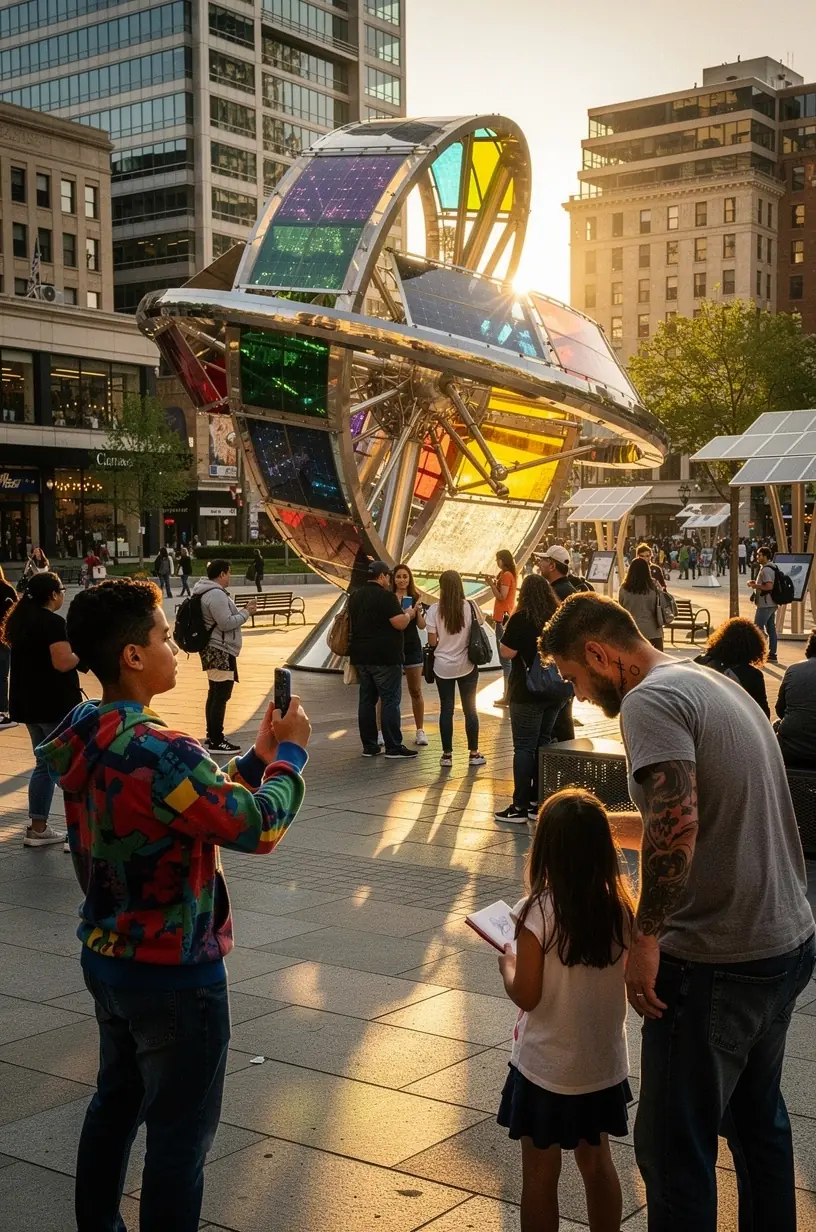
"According to a study by the American Planning Association, AR can enhance public engagement in urban planning processes by providing interactive and immersive experiences."
Practical Applications of AR in Urban Planning
There are several compelling applications of AR that demonstrate its potential in urban planning:
- Visualization of Proposed Projects: AR allows planners and stakeholders to visualize new buildings or infrastructure in their actual location, helping to assess aesthetics and functionality. This typically leads to better community feedback and acceptance.
- Public Engagement: By enabling residents to interact with proposed projects through AR applications, planners can foster a more collaborative environment. This approach often results in a more informed public and greater civic participation.
- Site Analysis: AR can be used to analyze land use and environmental impact by providing real-time data overlays, which helps planners make more sustainable decisions. Experts suggest that integrating data visualization with AR can significantly improve the planning process.
Challenges and Limitations
While the advantages of AR in urban planning are notable, it is essential to acknowledge some limitations:
- AR applications often require significant upfront investment in technology and training. This typically takes time, and municipalities may need to allocate resources accordingly.
- There can be a steep learning curve for both planners and the public when adapting to AR tools. Experts recommend gradual implementation to ensure effective usage.
- Not all community members may have access to AR technology, which could limit engagement. It is crucial to consider alternative engagement methods to include all demographics.
The Future of Urban Planning with AR
The future of urban planning increasingly relies on innovative technologies like AR. Research indicates that cities that adopt AR tools can enhance their planning efficiency and improve community satisfaction. As this technology continues to evolve, its integration into urban planning processes is expected to become more commonplace.
Conclusion
Augmented Reality holds significant potential to transform urban planning by improving visualizations, enhancing public engagement, and providing real-time data analysis. While challenges exist, the careful integration of AR into planning practices can lead to more informed, sustainable, and community-driven urban environments. As cities across the United States explore these innovative approaches, the impact on daily life in residential districts may prove to be substantial.