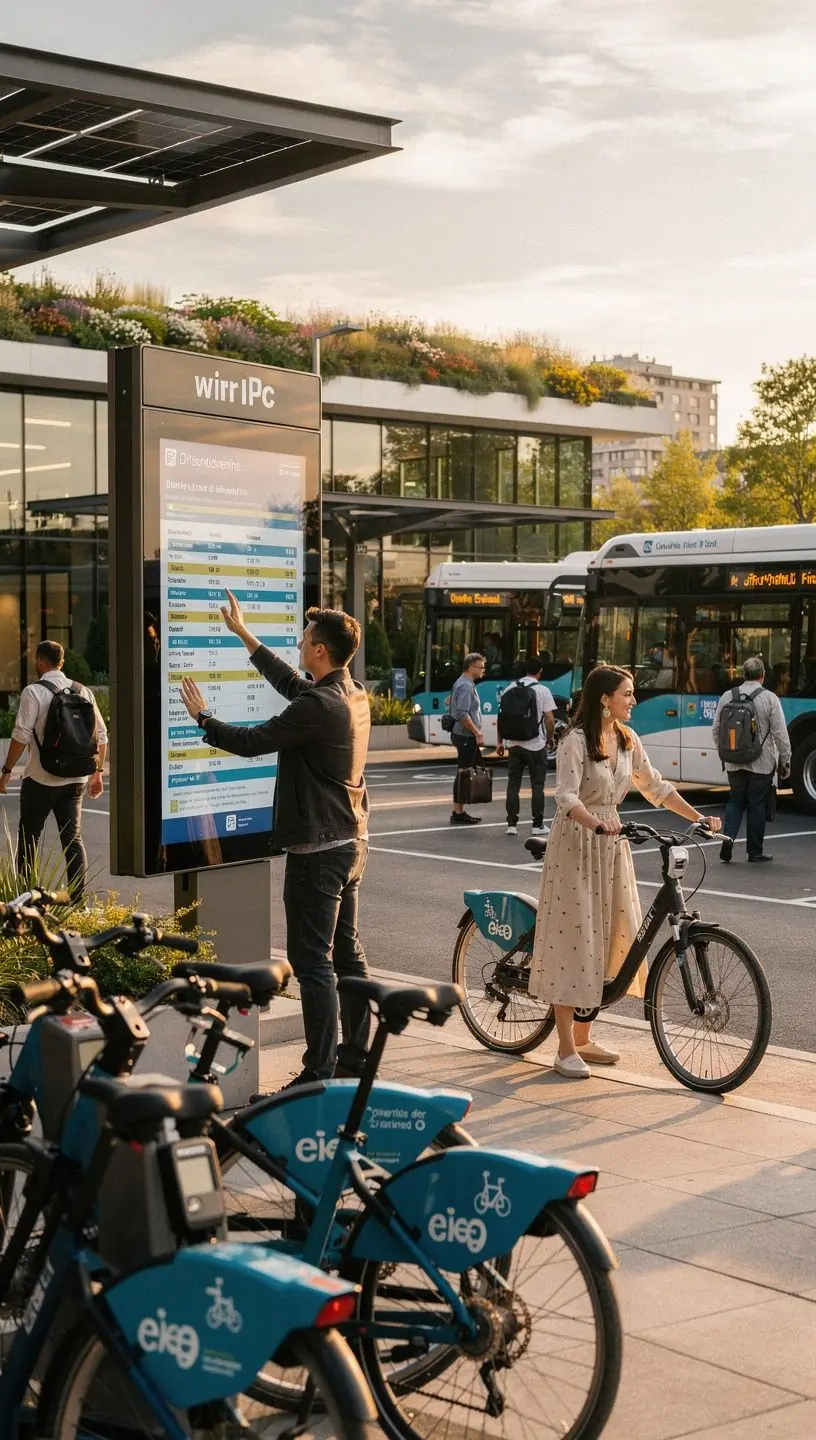
How Smart Sensors Improve Urban Infrastructure
As urban areas continue to grow, the need for efficient infrastructure becomes increasingly vital. Smart sensors are emerging as a promising technology that can enhance urban living by collecting data, optimizing resources, and improving the quality of life in residential districts.
Understanding Smart Sensors
Smart sensors are devices equipped with advanced technology that can monitor and collect data about various environmental factors. These sensors can detect changes in temperature, humidity, traffic patterns, and air quality, among other metrics. According to a report by the Smart Cities Council, the implementation of smart sensors can lead to a significant improvement in urban management.
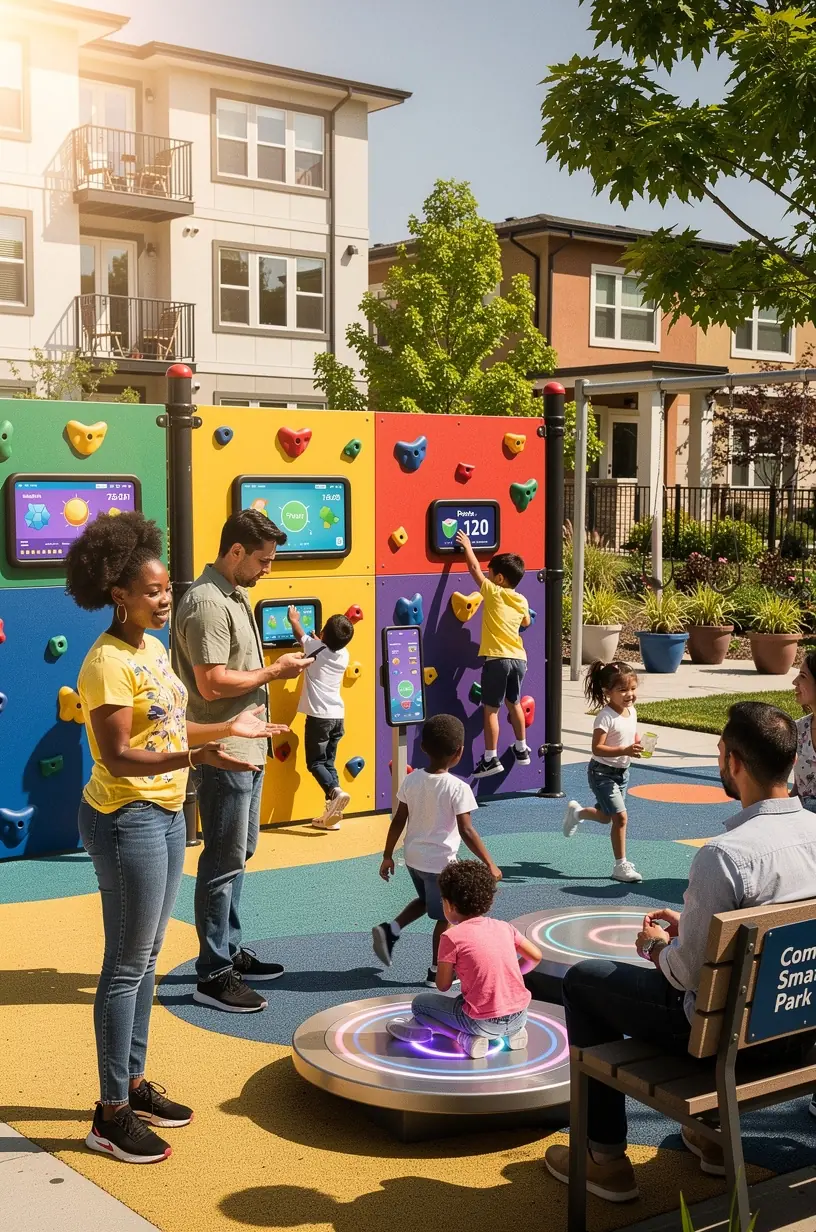
"Smart sensors represent a transformative approach to urban infrastructure, allowing cities to operate more efficiently and responsively." - Urban Planning Expert
How Smart Sensors Work
Smart sensors typically operate through a network connected to the internet, enabling real-time data collection and analysis. This technology works effectively because:
- Data Gathering: Smart sensors continuously monitor environmental conditions, providing valuable insights that inform decision-making.
- Real-Time Responses: The data collected can trigger immediate actions, such as adjusting traffic lights to improve flow or alerting city services to urgent issues.
- Predictive Analysis: Leveraging historical data, smart sensors can help predict infrastructure needs, allowing for proactive maintenance and resource allocation.
Practical Applications of Smart Sensors
The integration of smart sensors into urban infrastructure has shown various practical benefits, including:
- Traffic Management: Smart traffic sensors can monitor vehicle flow and adjust signal timings to reduce congestion. Studies indicate this approach can decrease travel times by 10-20% in busy areas.
- Waste Management: Sensors are used in waste bins to detect fill levels, optimizing collection routes and schedules. This can reduce operational costs by up to 30%, according to municipal reports.
- Environmental Monitoring: Air quality sensors can track pollution levels and provide data to help city planners develop healthier environments. Research suggests cities utilizing these sensors see a notable reduction in public health issues over time.
Challenges and Considerations
While the benefits of smart sensors are substantial, there are also challenges to consider:
- Initial Costs: The implementation of smart sensor technology requires investment, and in many cases, cities may find the initial costs to be a barrier.
- Data Privacy: The collection of data raises concerns about privacy and security. It is essential for cities to establish clear policies to safeguard citizens’ information.
- Maintenance Needs: Smart sensors require ongoing maintenance and updates to ensure they function correctly, which can entail additional resources and planning.
Conclusion
Smart sensors represent a significant advancement in urban infrastructure management. By leveraging technology to gather and analyze data, cities can operate more efficiently and improve the quality of life for residents. While the initial investment and considerations regarding privacy must be addressed, the potential benefits indicate that smart sensors can play a crucial role in the future of urban living. As cities continue to embrace these innovations, it is likely that their effectiveness will only increase, transforming the way urban areas function.