The Evolution of Public Spaces Through Technology
Public spaces have transformed significantly in recent years, largely due to technological advancements. This article explores how these innovations have reshaped urban environments, enhancing community engagement and improving overall quality of life.
Understanding the Basics
The integration of technology into public spaces is becoming increasingly common. According to research by the Urban Land Institute, cities that employ smart technologies in their public areas often see a marked improvement in civic engagement and safety. This works because technology can provide real-time information, allowing residents to interact more effectively with their urban environments.

"Smart technology in public spaces not only enhances convenience but also fosters a sense of community among residents." - Urban Development Expert
Key Innovations in Public Spaces
Several key innovations illustrate the evolution of public spaces:
- Smart Lighting: Many cities are now implementing smart lighting systems that adjust brightness based on foot traffic, which can lead to energy savings of up to 30% according to studies by the International Energy Agency.
- Wi-Fi Hotspots: The installation of free public Wi-Fi has become a standard practice that encourages social interaction and access to information, particularly in urban parks and plazas.
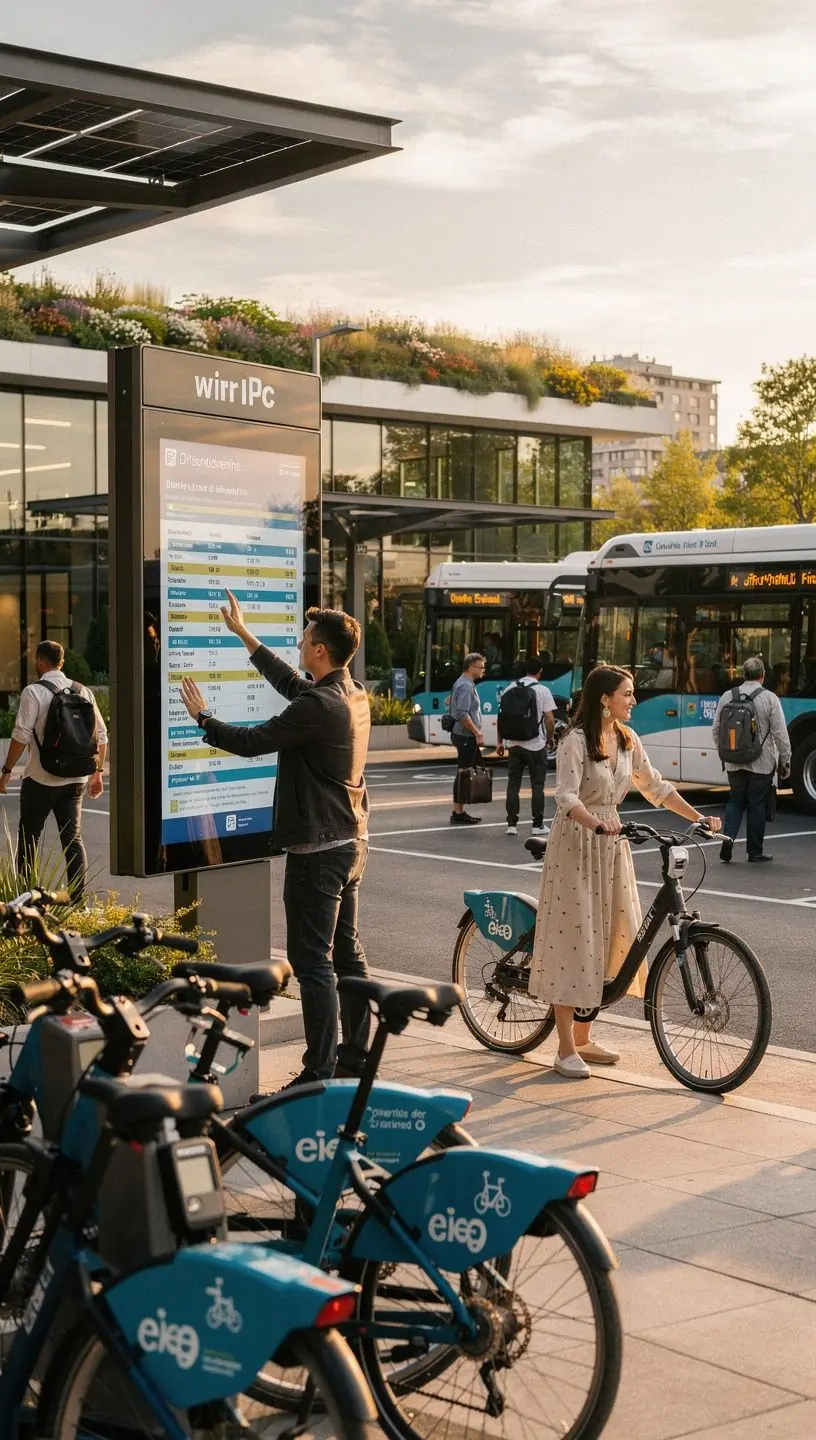
- Interactive Kiosks: These self-service kiosks provide information on local events, public transport, and city services, enhancing visitor experiences and fostering a connected community.
Practical Application: Enhancing Community Engagement
The successful implementation of technology in public spaces often relies on a few critical factors:
- Community Involvement: Engaging local residents in the planning process ensures that technological solutions meet the actual needs of the community. Experts suggest that this collaborative approach can lead to higher satisfaction and usage rates.
- Scalability: Innovators should consider how their technologies can be scaled to other areas, ensuring that solutions are adaptable and can be integrated into existing infrastructures.
- Data Security: It is essential to address privacy concerns related to the data collected by public technology. Employing robust cybersecurity measures is vital for maintaining public trust.
Challenges and Considerations
While technology has the potential to revolutionize public spaces, it is important to acknowledge some challenges that may arise:
- Budget Constraints: Implementing smart technologies can be costly. Cities must strategize funding, often relying on grants or public-private partnerships.
- Maintenance and Management: Ongoing maintenance of technological systems is crucial. Local governments must allocate resources effectively to ensure these innovations remain functional.
- Digital Divide: Ensuring equitable access to technology in public spaces is important. Strategies must be developed to include underserved communities.
Conclusion
The evolution of public spaces through technology presents both opportunities and challenges. As cities across the U.S. continue to incorporate smart solutions, the potential for enhanced community engagement and improved quality of life is significant. By approaching these innovations thoughtfully and inclusively, urban areas can create vibrant public spaces that truly serve their residents.
Learn More