Smart Lighting Solutions for Urban Areas
Smart lighting is becoming an integral part of urban development, enhancing safety and sustainability in residential districts. This article explores the effectiveness of smart lighting solutions and their impact on daily life in urban settings.
Understanding Smart Lighting
Smart lighting refers to advanced lighting systems that can be controlled remotely, respond to environmental changes, and operate efficiently. According to the U.S. Department of Energy, these systems typically reduce energy consumption by 30-70% compared to traditional lighting. The principle behind smart lighting lies in its ability to adjust brightness based on natural light availability and occupancy, thereby optimizing energy use.
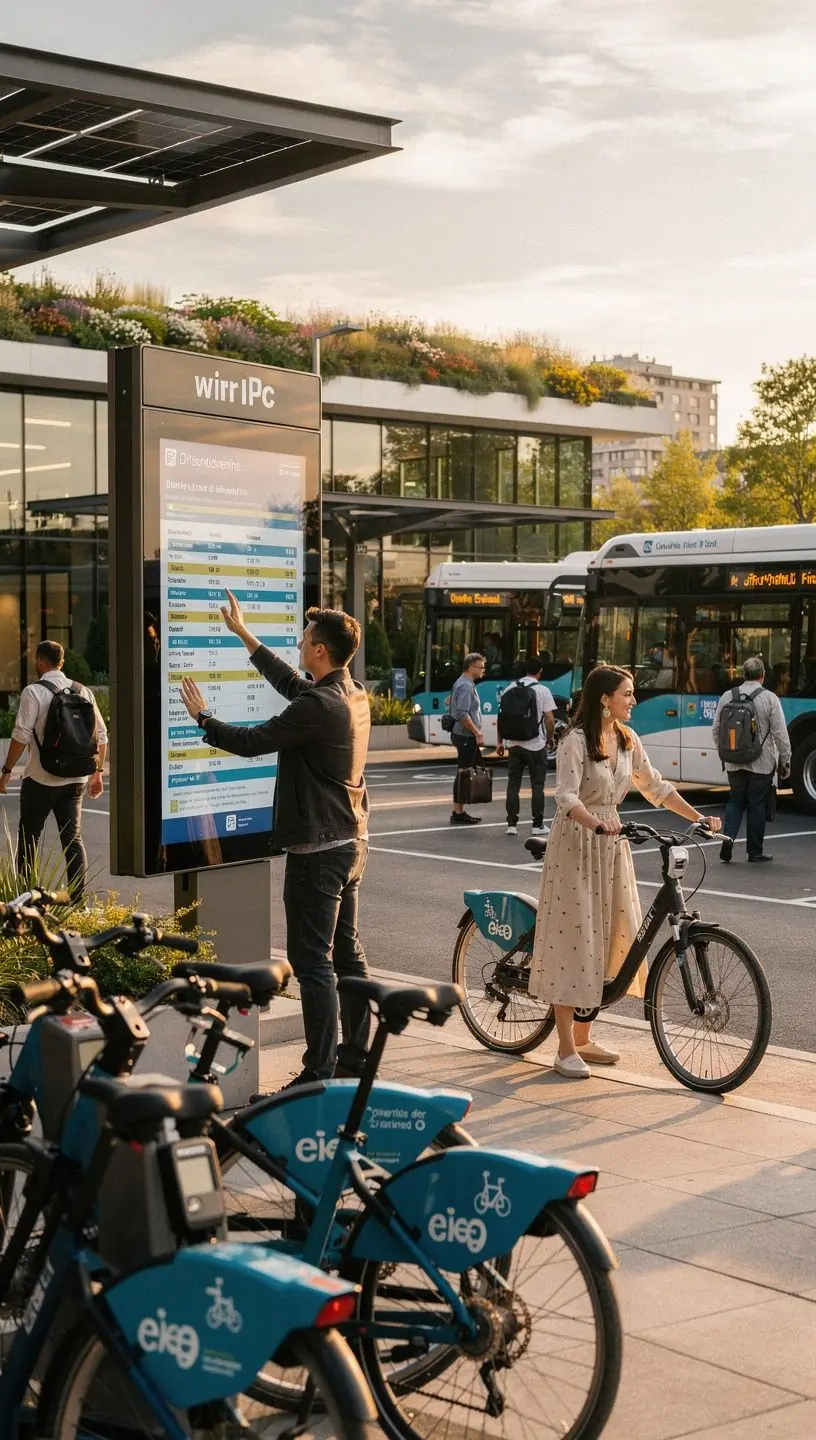
"Smart lighting has been shown to improve public safety and reduce energy costs, according to research conducted by the International Energy Agency.
Benefits of Smart Lighting
Integrating smart lighting solutions in urban areas offers various benefits:
- Enhanced Safety: Studies indicate that well-lit streets can reduce crime rates. Proper illumination decreases the likelihood of accidents and makes residents feel more secure when walking at night.
- Energy Efficiency: Many municipalities report significant savings on electricity bills after implementing smart lighting systems. The technology typically pays for itself within a few years through reduced energy costs.
- Environmental Impact: Reduced energy consumption contributes to lower greenhouse gas emissions. Smart lighting often employs LED technology, which is known for its longevity and lower energy requirements.
Implementation Considerations
While the benefits of smart lighting are clear, implementing such systems involves careful planning and consideration:
- Assessment of Needs: Cities should conduct thorough assessments to identify which areas would benefit most from smart lighting. High-traffic areas, parks, and community centers are often prime candidates.
- Cost and Budgeting: Initial costs may be significant, typically requiring a budget allocation for installation and maintenance. However, the long-term savings often justify the upfront investment.
- Public Engagement: Engaging the community in discussions about smart lighting solutions can help address concerns and gather support. Community feedback is valuable in shaping effective lighting strategies.
Conclusion
Smart lighting solutions present a compelling opportunity for urban areas to enhance safety, reduce costs, and contribute to environmental sustainability. By understanding the principles behind these systems and acknowledging the efforts required for successful implementation, urban planners and residents can collaboratively create brighter, safer communities. As cities increasingly adopt these innovations, the long-term benefits will likely become more apparent, paving the way for smarter urban living.