Practical Guide to Urban Green Spaces
Urban green spaces play a pivotal role in improving the quality of life in residential districts. This article explores the essential aspects of creating and maintaining green spaces, their benefits, and practical steps for implementation.
Understanding Urban Green Spaces
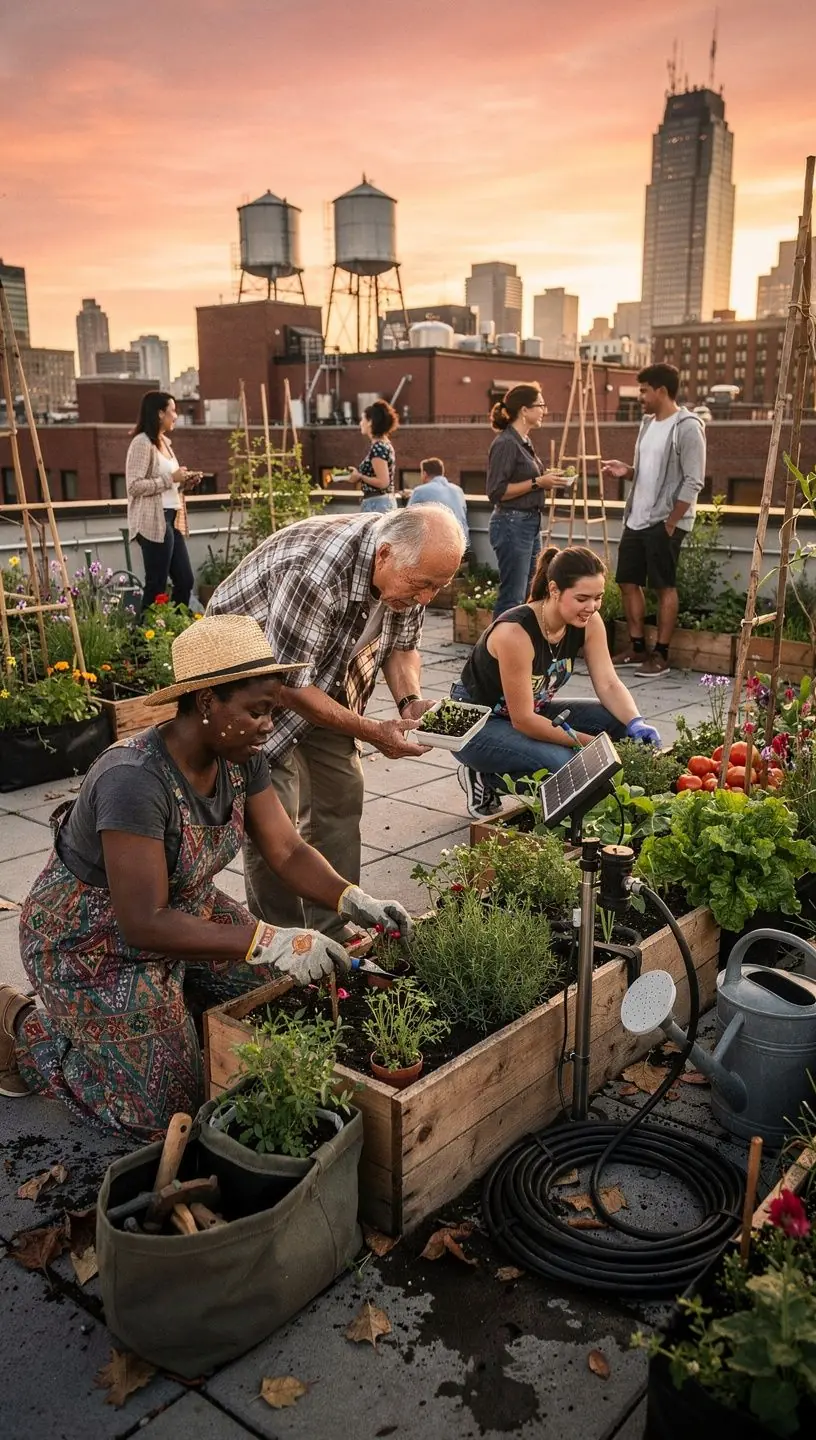
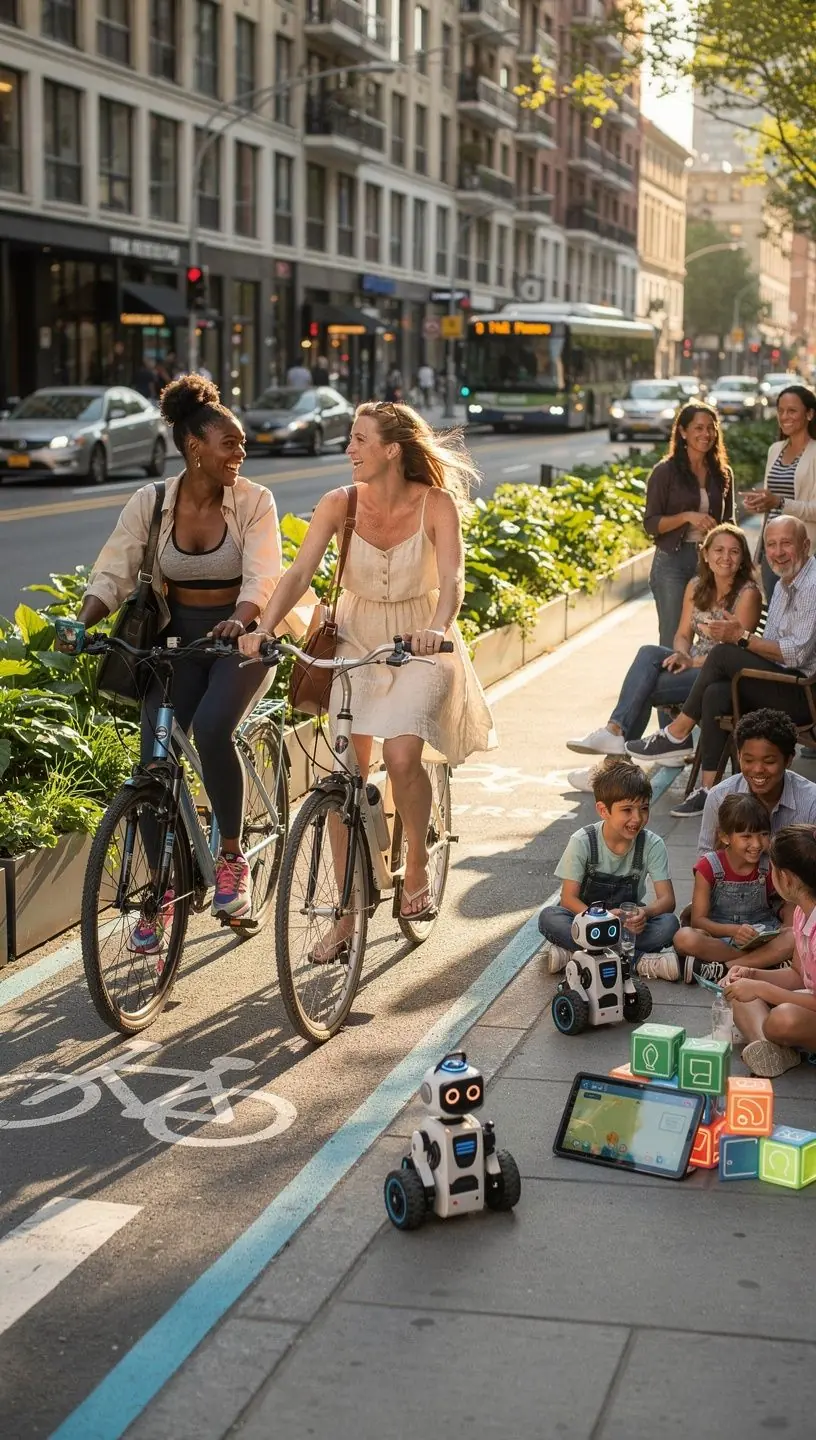
Urban green spaces, which include parks, gardens, and green corridors, are vital components of city planning. According to studies, these areas can enhance mental well-being and promote physical activity among residents. Research indicates that access to green spaces is associated with lower stress levels and improved community cohesion.
"Green spaces are key to creating vibrant and healthy urban environments," states Dr. Jane Smith, an urban planning expert.
Benefits of Urban Green Spaces
- Environmental Impact: Urban vegetation can improve air quality by absorbing pollutants. According to the Environmental Protection Agency, trees can reduce urban heat islands.
- Social Benefits: Green spaces often serve as community hubs, fostering social interactions and inclusion among diverse populations.
- Health Improvements: Research shows that individuals who live near parks and gardens engage in physical activities more frequently, contributing to overall health improvements.
Practical Steps for Creating Green Spaces
Implementing green spaces in urban areas requires strategic planning and community involvement. Here are some practical steps to consider:
- Conduct Community Surveys: Engaging residents through surveys can help identify their needs and preferences regarding green spaces. This approach ensures that the designs reflect the community's desires.
- Incorporate Native Plants: Utilizing native species is often recommended because they require less maintenance and provide essential habitats for local wildlife. This practice can also enhance biodiversity in urban settings.
- Design for Accessibility: Ensure that the green spaces are accessible to all residents, including those with disabilities. Easy access encourages more people to utilize these areas.
- Plan for Sustainability: Incorporate sustainable practices such as rainwater harvesting and composting to maintain the green spaces effectively. Experts suggest that these practices can reduce long-term maintenance costs.
Challenges in Maintaining Urban Green Spaces
While the benefits of green spaces are clear, several challenges can arise:
- Funding and Resources: Many urban areas struggle with budget constraints, which can limit maintenance and development efforts. It is crucial to seek partnerships with local organizations and businesses for support.
- Community Engagement: Sustaining interest and participation from the community can be challenging. Regular events and activities can help maintain momentum and encourage ongoing involvement.
Conclusion
Urban green spaces are essential for fostering healthier and more connected communities. By following practical steps and acknowledging potential challenges, city planners and residents alike can work together to create vibrant green areas that enhance daily life. Investing in these spaces not only improves the environment but can also lead to more active, engaged, and satisfied urban populations.
Learn More