Impact of Drones on Urban Delivery Services
As cities grow and the demand for rapid delivery increases, drones are emerging as a transformative force in urban logistics. This article explores how drone technology is reshaping delivery services in residential districts across the United States.
Understanding Drone Delivery Technology
Drone delivery involves the use of unmanned aerial vehicles (UAVs) to transport goods from one location to another. Research indicates that drone delivery can significantly reduce transit times, often completing deliveries in under 30 minutes, compared to traditional methods that may take hours, especially in congested urban areas.

"The introduction of drones in logistics has the potential to decrease delivery times and reduce road traffic congestion, creating a more efficient urban environment."
Benefits of Drone Delivery in Urban Areas
- Speed: Drones can navigate directly to their destination, bypassing road traffic. A study from the University of California found that delivery times can be reduced by up to 50% when using drone technology.
- Cost-effectiveness: Operating drones can be less expensive than traditional delivery vehicles, especially when considering fuel and maintenance costs. Industry reports suggest that businesses may save an average of 20-30% on delivery expenses by integrating drones.
- Environmental impact: Drones typically produce lower carbon emissions than delivery trucks. According to the Environmental Protection Agency, reducing the vehicle traffic associated with deliveries can lead to improved air quality in urban settings.
Challenges and Limitations
Despite the advantages, several challenges accompany the implementation of drone delivery systems:
- Regulatory hurdles: Current regulations may limit where and how drones can operate. In many cases, obtaining necessary approvals can be a lengthy process.
- Safety concerns: The risk of accidents, such as drones colliding with buildings or pedestrians, requires advanced safety measures and technologies.
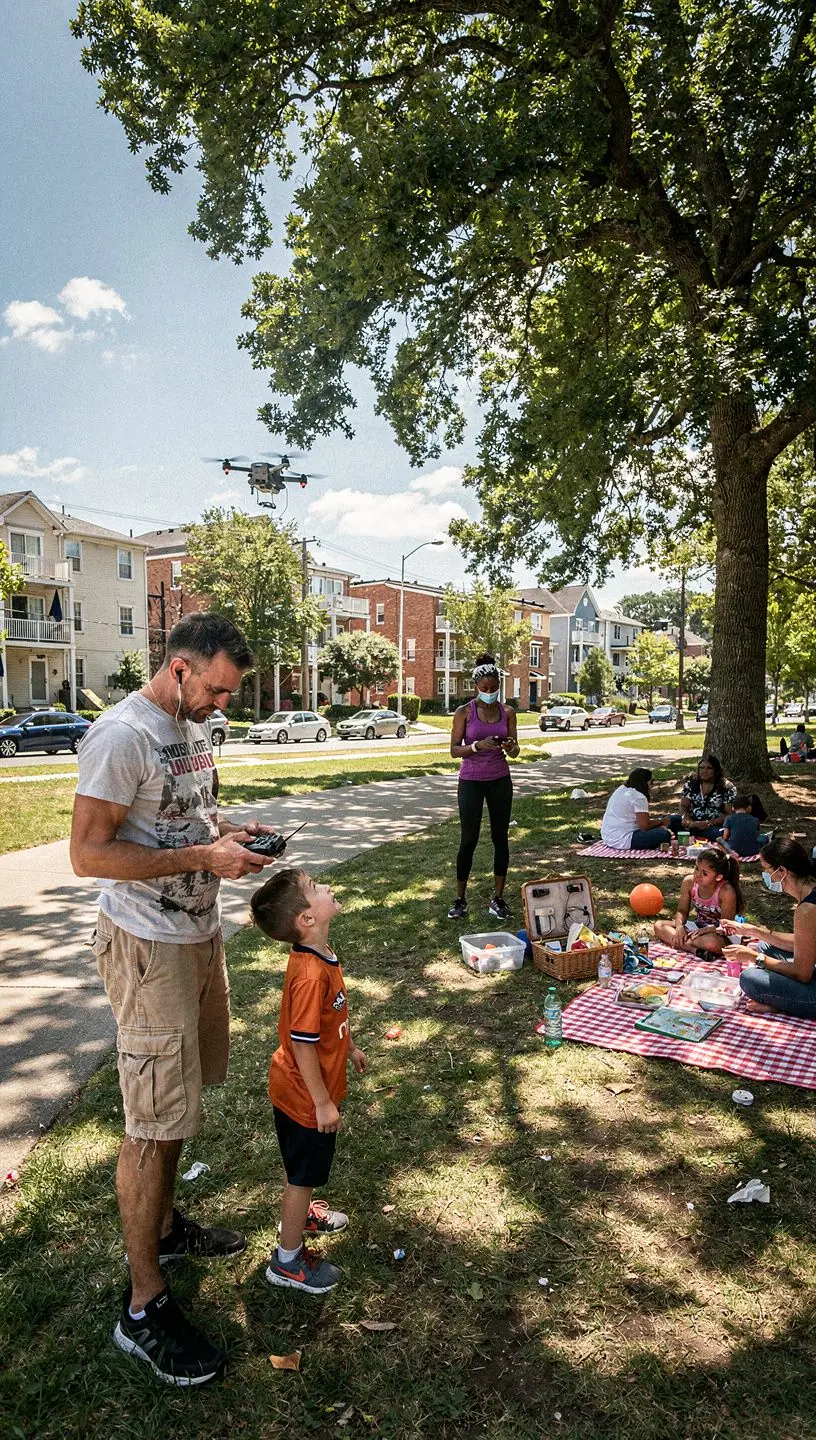
- Public acceptance: Many residents express concerns about noise and privacy. Engaging communities through education can help address these issues.
Future Outlook
The future of drone delivery in urban environments is promising, with many companies actively investing in technologies to enhance safety, efficiency, and public acceptance. Industry experts recommend that stakeholders collaborate to develop standards and best practices for drone operations. This cooperative approach may lead to a more streamlined integration of drones into existing urban logistics frameworks.
Conclusion
In summary, drones hold significant potential to revolutionize urban delivery services, offering faster, cost-effective, and environmentally friendly options. However, successful implementation will require addressing regulatory, safety, and community concerns. As technology evolves, ongoing dialogue and collaboration will be essential to fully realize the benefits that drone delivery can bring to modern urban living.