Exploring Remote Work Trends in Cities
As cities evolve, remote work has emerged as a transformative trend. This article delves into how urban environments are adapting to accommodate this shift and the implications for residents.
Understanding the Rise of Remote Work
Remote work, once seen as a niche option, has become mainstream, particularly in urban areas. According to a recent study by the Stanford Graduate School of Business, remote work can enhance productivity by 13%. This shift is influenced by advancements in technology, changing attitudes towards work-life balance, and the ongoing effects of the COVID-19 pandemic.
"The pandemic accelerated a trend that was already underway, making remote work a viable option for many urban professionals." - Industry Experts
Impact on Urban Living
As remote work becomes more prevalent, cities are witnessing significant changes:
- Real Estate Dynamics: Urban areas are experiencing shifts in demand for housing, with many opting for larger living spaces in suburban regions. Research indicates that about 25% of remote workers are considering relocating outside urban centers.
- Local Economy Adjustments: As people work from home, local businesses that relied on foot traffic may need to adapt. Experts suggest diversifying offerings or enhancing online presence to stay relevant.
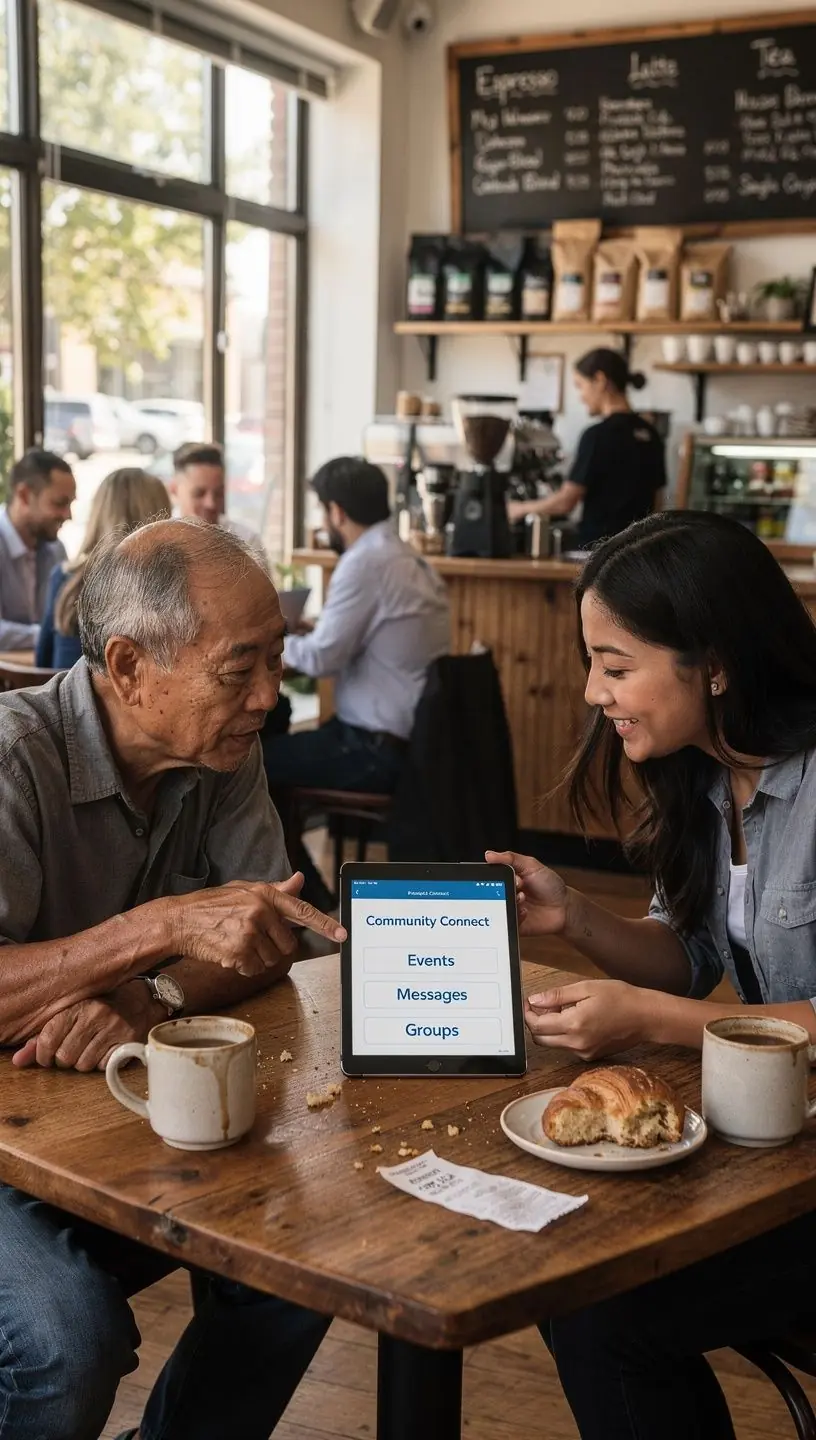
- Community Engagement: With fewer people commuting, there is potential for increased local engagement. Studies show that communities with more remote workers often see a rise in participation in local events and initiatives.
Adapting Infrastructure for Remote Work
Cities are investing in infrastructure to better support remote work trends:
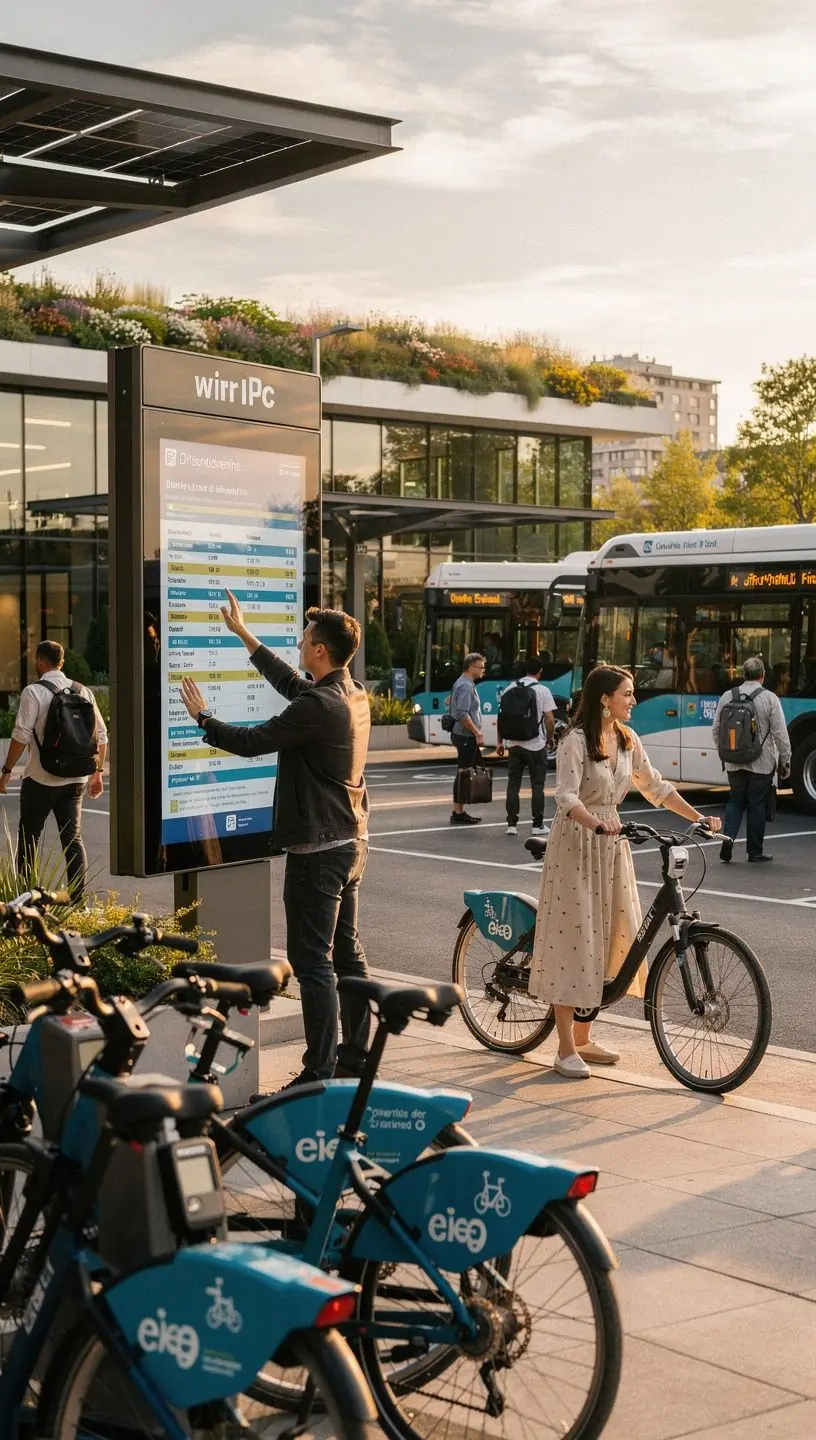
- Improved Internet Access: The demand for reliable high-speed internet is critical. Municipalities are increasingly partnering with tech companies to expand broadband coverage.
- Co-Working Spaces: Urban areas are witnessing a rise in co-working spaces that cater to remote workers. These facilities offer flexible working options and foster networking opportunities among professionals from various fields.
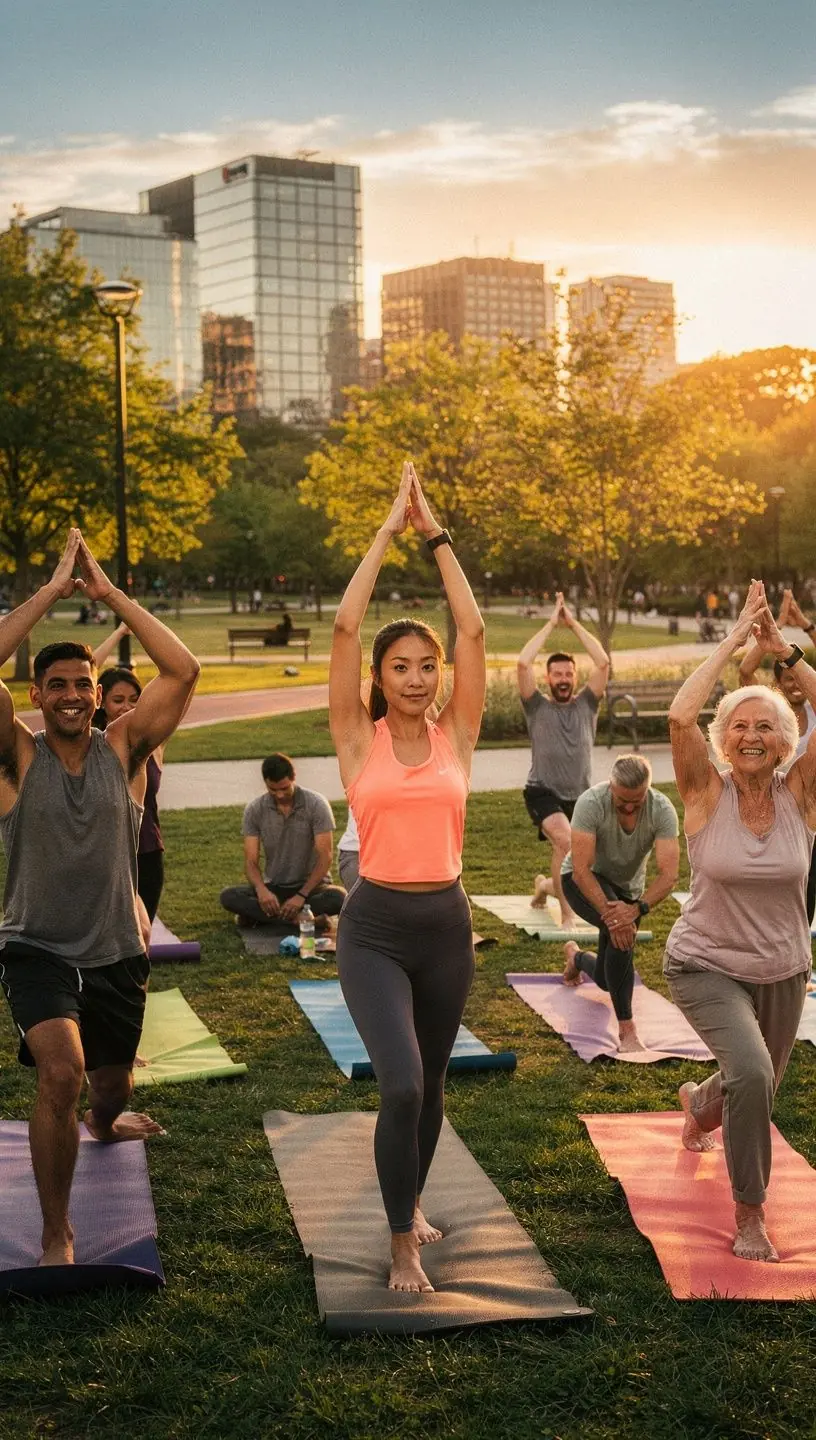
- Green Spaces and Public Areas: As remote work reduces the need for traditional office spaces, cities are reimagining public areas to encourage social interaction and recreation, promoting mental well-being among residents.
Challenges and Considerations
While remote work offers numerous advantages, it also presents challenges that cities must address:
- Work-Life Balance: Many remote workers struggle to separate work from personal life, leading to increased stress. Research suggests that setting boundaries is crucial for maintaining productivity and well-being.
- Community Isolation: Although remote work can lead to greater individual freedom, it may also contribute to feelings of isolation. Experts recommend fostering community connections through local events and initiatives to mitigate this effect.
- Equity Issues: Not all residents have equal access to the resources needed for effective remote work, such as reliable internet and suitable workspaces. Addressing these disparities is vital for ensuring inclusivity in urban environments.
Conclusion
Remote work is reshaping urban living in profound ways. As cities adapt to meet the needs of remote workers, the focus should be on creating sustainable and inclusive environments. By understanding the trends and challenges associated with remote work, cities can enhance the quality of life for all residents.