How Mobile Apps Foster Neighborhood Engagement
In today's fast-paced world, mobile applications are transforming the way communities interact and engage with one another. As urban areas become increasingly digital, understanding how these apps can enhance neighborhood engagement is essential for residents and city planners alike.
The Role of Mobile Apps in Community Interaction
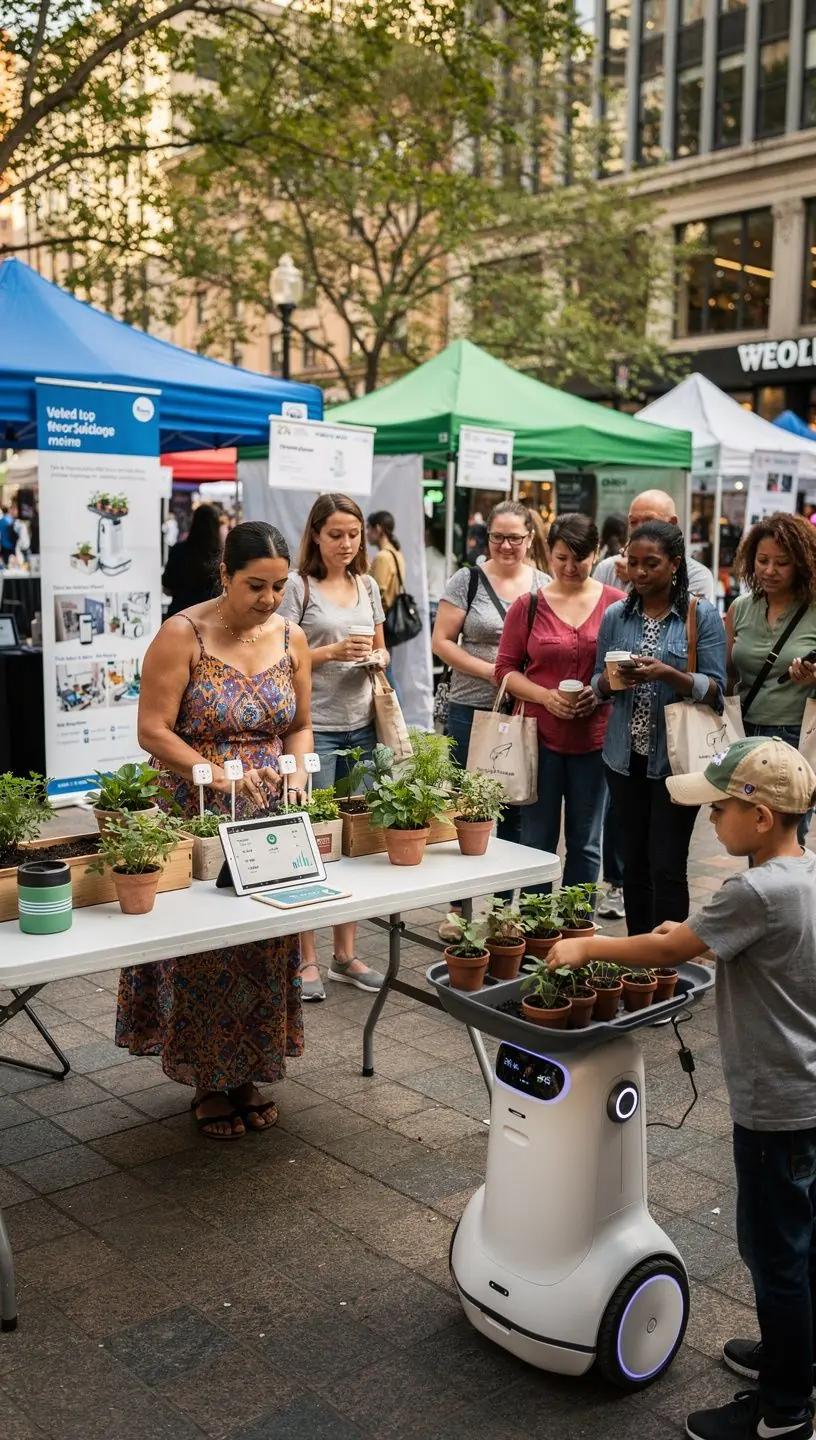
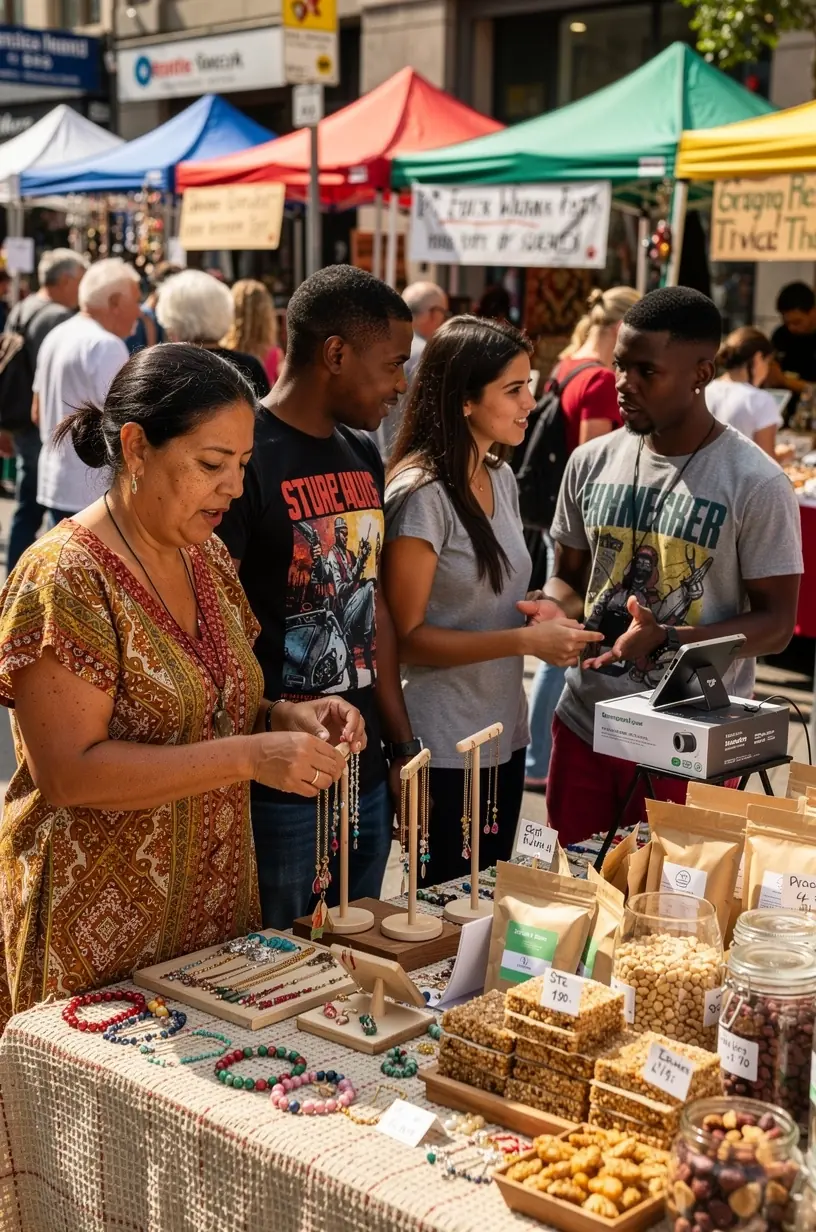
Mobile apps serve as a bridge between residents and their communities, encouraging active participation and fostering connections. Research indicates that communities utilizing dedicated mobile platforms often experience an increase in local event attendance and volunteerism. This engagement is typically driven by features that allow users to share news, organize events, and discuss local issues.

"Apps that facilitate communication and information sharing can significantly enhance community spirit and involvement." - Community Development Expert
Key Features of Effective Neighborhood Engagement Apps
- Event Calendars: Allowing residents to view upcoming neighborhood activities can lead to higher participation rates.
- Discussion Forums: Many users report that spaces for dialogue help address local concerns and create a sense of collective responsibility.
- Local News Updates: Keeping residents informed about local developments fosters a sense of belonging and awareness.
Understanding the Impact
According to a study by the Pew Research Center, communities that engage residents through mobile applications often see improved civic engagement and a stronger sense of community. This trend suggests that technology can play a vital role in bridging communication gaps and enhancing the overall quality of life in residential areas.
It is important to note that while these apps can foster engagement, their effectiveness may vary based on several factors. For instance, the initial adoption phase typically requires sustained user interest and commitment from community leaders to promote usage. Often, neighborhoods that actively engage their residents in the implementation and feedback process see the most success.
Challenges and Limitations
While mobile apps can enhance neighborhood engagement, there are challenges that communities must navigate. For example:
- Some residents may be less tech-savvy, which can create barriers to participation.
- The effort required to maintain active communication can be considerable, often needing dedicated volunteer time and resources.
- Community apps may not be suitable for all demographics, particularly those without access to smartphones or reliable internet.
Conclusion
Mobile apps have the potential to revolutionize neighborhood engagement by providing platforms for communication and participation. While challenges exist, the benefits of improved connectivity and collaboration can be significant. Communities that embrace these technologies with a strategic approach may find themselves experiencing a new era of civic participation, where every voice is heard and valued.